

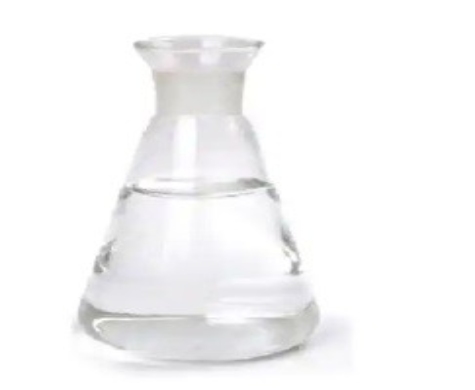

Appearance: | Brilliant Liquid |
E Code: | E338 |
CAS No: | |
Molecular Formula: | H3PO4 |
Chemical Name: | Orthophosphoric Acid |
Purity: | % 85 / %75 |
Density: | 1.685 g / ml |
Phosphorus Pentaoxide (P2O5) Content: | % 61 |
Boiling Point: | 158 ° C |
Freezing Point: | %75 -17,5°C, %85 21,1 °C |
Water Solubility: | 446 g/100 ml (15 °C), 548 g/100 ml (20 °C), |
Storage Conditions: | It should be stored in a cool and well-ventilated environment, away from alkali and oxidizing materials, in closed packaging. |
Solubility: | soluble in water and ethanol |
What is Phosphoric Acid?
Phosphoric acid is an inorganic acid and is a colourless, odourless and crystalline compound with the chemical formula H₃PO₄. Widely used in food, agriculture and industry sectors, the acid is considered a weak acid with high solubility in water. It has an important role in many areas from fertiliser production to metal plating processes. In agricultural applications, it is used as a phosphorus source that supports plant growth, while in the food industry it is preferred as a pH regulator and preservative. In industry, it is widely used as metal surface cleaner and rust remover.
Phosphoric acid is commonly known as ‘phosphate acid’ and is defined as a compound used especially in fertiliser production. In the food industry, it is generally known as an acidity regulating additive. In agricultural use, it can also be referred to as ‘phosphorus fertiliser’ among farmers as it provides phosphorus as a plant nutrient. It is also a common component in carbonated beverages as it is used in the beverage industry to increase acidity and provide flavour balance. Although phosphoric acid is widely used in different sectors, it carries health and environmental risks in unconscious use.
Chemical Structure of Phosphoric Acid
The chemical formula of phosphoric acid is expressed as H₃PO₄. Its molecular structure contains three hydrogen (H), one phosphorus (P) and four oxygen (O) atoms. Its molecular weight is approximately 97.99 g/mol and it is colourless and crystalline in pure form. Although it is not completely ionised in aqueous solutions, it decreases the pH level by showing weak acidic properties. Thanks to its chemical composition, it allows various applications in agriculture and industry by forming phosphate salts.
Phosphoric acid, which is generally in liquid form at room temperature, tends to attract moisture by showing hygroscopic properties. Its density is around 1.88 g/cm³ and it can become solid at 42.35°C. Easily miscible with water, it dissolves completely in aqueous solutions and shows high conductivity. Physically it is a colourless, odourless and viscous liquid with a slightly sour taste when dissolved. It is chemically highly reactive and can release hydrogen gas when in contact with metals and can be corrosive.
Although phosphoric acid is considered a weak acid, it can cause irritation when in contact with skin and eyes at high concentrations. Therefore, appropriate safety precautions should be taken and direct inhalation should be avoided. It should be kept away from moisture and direct sunlight during storage and stored in suitable containers.
Uses of Phosphoric Acid
Agriculture Sector
Phosphoric acid is an important compound widely used in the agricultural sector for plant nutrition. It is applied in the form of fertiliser to eliminate phosphorus deficiency in the soil and supports the root development of plants and encourages flowering and fruit formation. It is the ideal solution to meet the phosphorus needs of plants, especially in soils with low pH levels. At the same time, it ensures that other nutrients in the soil are taken up more efficiently by plants.
Phosphoric acid, which is widely used in agricultural fertilisers, is applied in liquid fertiliser form. It can be applied directly to the root zone through drip irrigation systems or applied to the soil to regulate soil pH. The advantages of phosphoric acid in soil applications include promoting root growth of plants, increasing soil fertility and facilitating the uptake of other nutrients. However, excessive use can cause salt accumulation in the soil and damage plant roots.
Phosphorus is an essential element for the healthy growth of plants and phosphoric acid provides an effective source to meet this need. It is required for the synthesis of ATP molecules that carry energy in plant metabolism and plays a critical role in fundamental processes such as cell division, root and shoot development. Thanks to phosphoric acid, resistance of plants against diseases increases, fruit and seed yield increases.
Food Industry
Phosphoric acid is widely used as a preservative and acidity regulator in the food industry. It is especially preferred as a flavouring component in carbonated beverages and is used to prevent microbial spoilage in canned and processed foods. In addition, phosphoric acid is preferred in the processing of cheese and meat products in order to provide pH balance and prolong shelf life.
Industrial Usage Areas
In industry, phosphoric acid is used in areas such as cleaning metal surfaces, rust removal solutions and detergent production. In the metalworking sector, phosphoric acid provides surface preparation by removing the oxide layer on iron and steel surfaces. It is also a component used in detergents and cleaning products to reduce the hardness of water and prevent lime accumulation.
Benefits and Hazards of Phosphoric Acid
Phosphoric acid, which is necessary for plants, ensures the rapid supply of phosphorus. When used in fertiliser form, it accelerates plant root development, promotes flowering and fruit formation. It also helps to obtain healthier and more productive products by increasing the resistance of plants against diseases. Phosphoric acid increases soil fertility by optimising nutrient uptake by plants. Excessive use or incorrect dosage applications may cause salt accumulation in the soil and disruption of the pH balance. It can cause damage to plant roots in an excessively acidic environment and cause growth retardation. It may also cause skin irritation and respiratory problems in case of high dose exposure in terms of human health.
Using phosphoric acid consciously and in correct doses does not harm plants. Instructions for use should be followed, dosages suitable for the plant species should be determined and applied in a balanced manner in irrigation systems. Excessive use should be avoided and application frequency should be adjusted according to plant and soil analyses.
Technical and Scientific Details of Phosphoric Acid
Phosphoric acid is produced by two main methods: wet process and thermal process. The wet process is carried out by treating phosphate rocks with sulphuric acid. This method produces lower purity phosphoric acid and is generally suitable for agricultural applications. The thermal process produces high purity acid by reacting elemental phosphorus with oxygen and water vapour. The phosphoric acid produced by this process is refined for use in the food and pharmaceutical industries. The purity level varies depending on the application area and generally 85% purity is the most commonly used form. Ensuring chemical purity in the production process is important in terms of minimising unwanted heavy metals and organic impurities in the content.
Phosphoric acid, which is considered a weak acid, provides low pH levels by partially ionising in aqueous solutions. Although the pH value varies depending on the solution concentration, the pH value is approximately 2.1 in a 1% solution. Phosphoric acid dissolves completely in water to form a homogeneous mixture and shows acidic properties by giving hydrogen ion (H⁺). Since its solubility is high, it can be easily used in agricultural irrigation systems and industrial applications. However, due to its extremely acidic nature, it may show corrosive effects in long-term contact situations and appropriate precautions should be taken during use.
Phosphoric acid, which is a compound prone to moisture absorption due to its hygroscopic structure, should be stored in closed, dry and cool environments due to this feature. Corrosion resistant plastic or stainless steel containers should be preferred during storage. Phosphoric acid should be labelled in accordance with chemical transport regulations and should be handled carefully to prevent spills. Due to its corrosive effect, skin and eye contact should be avoided and proper ventilation should be provided in transport and storage areas.
Advantages and Disadvantages of Phosphoric Acid
Phosphoric acid plays an important role in providing phosphorus, which is an essential nutrient element for plants in the agricultural sector. It quickly meets the phosphorus requirement of the soil and increases product efficiency by encouraging root development. It is also preferred for use in agricultural pesticide and fertiliser formulations due to its easy solubility. In industry, it is widely used as water treatment, detergent, metal coating and food additive. It increases productivity in industrial processes thanks to its abrasive properties and cleaning of metal surfaces.
Since phosphoric acid has strong acidic properties, there are some points to be considered during use. Firstly, contact with skin and eyes should be avoided and protective equipment should be used. Overdose in agricultural applications may disrupt the soil pH balance and cause salt accumulation in plants. In industrial uses, suitable materials should be preferred to prevent corrosion of equipment. The safe storage and transport of phosphoric acid is critical in terms of preventing possible damage to the environment.
Phosphoric Acid and Obafer Assurance
Obafer offers phosphoric acid solutions with high purity and in compliance with industrial standards. Thanks to its chemical stability and high solubility, it can be used safely in agriculture, food and industrial sectors. Our products are manufactured through precise quality control processes to ensure reliable and consistent performance. Our phosphoric acid solutions, which have a wide range of uses from fertiliser formulations to metal surface treatment, are an ideal component for efficient and sustainable applications. As Obafer Kimya, we are at your side to meet your phosphoric acid needs with our reliable supply chain and technical support team.


