

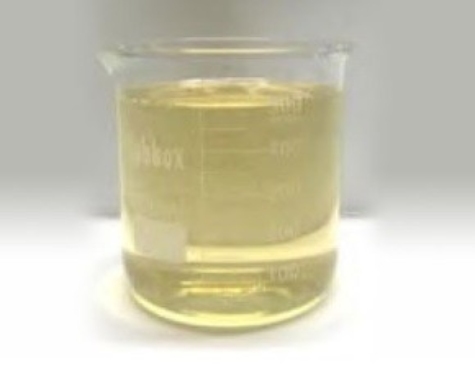

Appearance: | Light Yellow Liquid |
Chemical Name: | Boron – Ethanol Amine Liquid Solution |
Storage Conditions: | It should be stored in a well-ventilated place, in closed packaging away from oxidizing materials. |
Solubility: | Miscible with water, ethanol, methanol, glycerol, acetone, alcohols. |
Boron ethanolamine, which is formed by the chemical combination of boron with ethanolamine, is a highly soluble liquid compound. The compound is widely used in agriculture and industry and is especially preferred in plant nutrition applications to eliminate boron deficiency. It has an environmentally friendly and safe formulation while increasing productivity by ensuring easy absorption of boron by plants.
Boron ethanolamine is a stable compound effective in both soil and foliar applications. It is used to stimulate development in plants sensitive to boron deficiency and to increase pollen viability during flowering periods. In addition, thanks to its easily miscible structure with water, it has a wide usage area in modern agricultural applications.
Chemical Properties of Boron Ethanolamine
The chemical formula of boron ethanolamine is expressed as B(C₂H₄OH)₃. In the molecular structure, the boron atom is stabilised by three ethanolamine molecules and this structure increases the solubility of boron and optimises the plant nutrition process. Boron ethanolamine, a completely water-soluble compound, provides excellent absorption, especially in foliar fertiliser applications. Since its solubility is high, it can be easily used in drip irrigation systems. pH range generally varies between 6.5-8.5. This provides safe application without harming the pH sensitivity of plants.
Boron ethanolamine is physically in the form of a clear liquid with a slight characteristic odour. Its density varies between 1.2-1.3 g/cm³ and homogenous solution is formed when mixed with water. It maintains its stable structure at room temperature and is resistant to environmental factors.
Usage Areas of Boron Ethanolamine
Boron ethanolamine plays a critical role in plant health and productivity in agricultural production. It is especially used to prevent developmental disorders caused by boron deficiency and to support plant growth. It makes a great contribution in important stages such as flowering, seed set and root development. Its role in soil and plant nutrition is as follows:
– It provides cell wall strengthening in plants and increases tissue resistance.
– Increases water and nutrient uptake by promoting root development.
– It increases pollen viability and fruit set and increases yield.
As a foliar fertiliser, boron ethanolamine can be applied by direct spraying and is rapidly absorbed by plants. Its application to the soil through irrigation systems ensures efficient boron uptake in the root zone. It is widely used not only in the agricultural sector but also in industry. It is especially preferred in the glass and ceramic industry to produce heat resistant materials. It is also used as boron-containing additive in textile, cosmetics and detergent production.
Boron ethanolamine is used as an intermediate in various chemical processes. It is one of the important compounds used as a preservative and stabiliser in lubricants, cleaners and water treatment chemicals.
What Does Boron Ethanolamine Do?
Boron ethanolamine, which supports growth in plants and is used to eliminate boron deficiency, is an important source of micronutrients. Boron deficiency can negatively affect cell division, flowering and fruit set in plants. It increases water and nutrient uptake by promoting root development of the plant, while contributing to cell wall formation and ensuring healthy development of the plant. It also prevents yield loss by optimising the flowering process by increasing pollen viability in plants.
Agriculture Sector
Boron ethanolamine eliminates boron deficiency in the soil by enabling better uptake of boron by plants when applied to the soil. It improves soil structure, increases water holding capacity and supports the activity of microorganisms. As a result, nutrient absorption by plants becomes more efficient and overall soil fertility increases. Boron also helps plants grow healthy by supporting the balanced absorption of other nutrients in the soil.
Industry Sector
Boron ethanolamine is widely used not only in agricultural production but also in industrial sectors. It is used in the production of high temperature resistant materials in the glass and ceramic industry. It increases product durability by acting as a stabiliser in cosmetics and cleaning products. It is used as an intermediate in the production of boron-based compounds in the chemical industry and shows solvent properties in various industrial processes.
Application Methods of Boron Ethanolamine
Boron ethanolamine is a micronutrient source that can be applied both in soil and foliar applications. In soil applications, it can be applied together with irrigation systems in order for plant roots to absorb nutrients more effectively. In foliar applications, it is recommended to prepare a 0.1-0.5% solution and spray it directly on the leaves of the plant. Foliar application provides direct nutrient uptake by the plant as an effective method for rapid elimination of boron deficiency.
Boron ethanolamine applied to plants through drip irrigation systems ensures that boron reaches the roots in a regular and balanced manner. Application through irrigation systems is the ideal method to meet the nutrient needs of plants by reducing labour, especially in large agricultural lands. Regular application during the critical growth stages of plants ensures healthy and high-yielding crops. Dosage in boron ethanolamine applications may vary depending on plant type and soil conditions. It is generally prepared as follows:
- In foliar applications: It is recommended to add 100-200 ml boron ethanolamine to 100 litres of water.
- In soil applications: 1-2 litres of boron ethanolamine per acre is ideal.
- Application time: Its use before flowering and during fruit set periods helps to meet the boron needs of plants in the best way.
Advantages and Disadvantages of Boron Ethanolamine
Boron ethanolamine is an effective source of micronutrients that offers many advantages in terms of plant nutrition. One of the most important advantages is that it supports the healthy growth of plants by rapidly eliminating boron deficiency. Thanks to its high solubility, it can be easily applied from the leaves and soil, effectively meeting the boron needs of plants. Some of the benefits of boron ethanolamine are as follows:
- It strengthens the cell wall formation of plants and increases endurance.
- Increases fruit set and yield by supporting pollen viability.
- When used with drip irrigation systems, it provides effective nutrition by reaching the roots directly.
- Thanks to its pH balance, it offers a safe and effective application for many plant species.
Determining the correct dosage is of great importance when using boron ethanolamine. Excessive use may cause boron accumulation in the soil and may cause toxicity in plants. Especially in sensitive plants, careful application should be made and the specified dosage should not be exceeded.
Some points to be considered:
- Do not exceed the recommended dosage.
- Protective equipment should be used during application and direct skin contact should be avoided.
- Foliar applications should be avoided under high temperature conditions, early morning or evening should be preferred.
Boron ethanolamine is an environmentally friendly compound when used in a controlled manner. As long as there is no excessive accumulation in the soil, it does not harm the environment and is a safe option for sustainable agricultural practices. However, in case of misuse or unconscious use, it can cause imbalances in the ecosystem by mixing into water resources. Health considerations are as follows:
- Prolonged skin contact may cause irritation.
- Inhalation of vapour should be avoided and application should not be made in closed areas.
- The product should be stored safely after opening the packaging.
How to Buy and Store Boron Ethanolamine?
When purchasing boron ethanolamine, attention should be paid to the purity of the product and whether it complies with quality standards. Products purchased from reliable suppliers should be certified and presented with analysis reports. In wholesale purchases, technical support and product warranty provided by suppliers should be taken into consideration. The things to be considered during the purchase are as follows:
- The origin and certification information of the product should be checked.
- Fake or low quality products should be avoided by purchasing from reliable suppliers.
- Economic solutions should be evaluated by comparing prices, but quality should be prioritised.
In order for boron ethanolamine to maintain its effectiveness, correct storage conditions must be followed. The product should be stored in a cool and dry environment and protected from direct sunlight. It should be stored in plastic or original packaging and kept away from moisture. Things to be considered during storage:
- The ideal storage temperature should be between 5-25°C.
- After opening the package, contact with air should be minimised.
- Shelf life should be used within the period specified by the manufacturer (usually 2-3 years).
Boron Ethanolamine and Obafer Assurance
As Obafer, we offer boron ethanolamine solutions with high purity and in compliance with plant nutrition standards. Our products are manufactured according to international quality standards and undergo rigorous analysis processes. In order to increase agricultural productivity and provide reliable solutions for industrial applications, our expert team provides technical support and develops solutions for your needs by offering the most suitable products.
You can contact us to get detailed information about the correct use of boron ethanolamine, application techniques and sector-based solutions or to purchase it by taking advantage of our reliable supply processes.


