

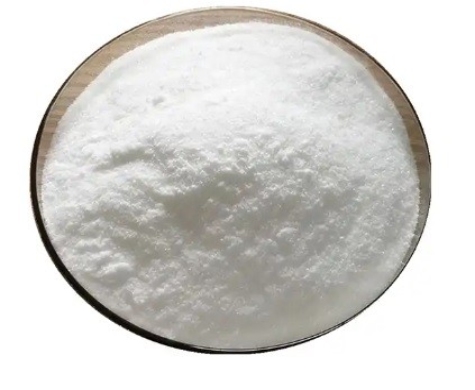

Appearence : | White crystal powder | |
CAS No : | 10043-35-3 | |
Molecular Formula : | H₃BO₃ | |
Chemical Name : | Hydrogen Borate | |
Density : | 1,435 g/cm³ | |
Purity : | % 99,9 | |
Boron (B) Content : | % 17,5 | |
B₂O₃ Content : | % 56 | |
Boiling Point : | 300 °C | |
Melting Point : | 171 °C | |
Water solubility : | 4.72 g/100 mL (20 °C) | |
Storege Condition : | It should be stored in closed packaging in a cool, ventilated and moisture-free environment. It is a hygroscopic substance. It should be kept away from alkali, carbonate and hydroxides. | |
Solubility : | Soluble in monoethanolamine. Slightly soluble in water and pyridine. | It is very slightly soluble in alcohol and acetone. |
Boric Acid: Uses and Chemical Properties
Boric acid is a widely used compound with applications spanning agriculture, industry, household maintenance, and the healthcare sector. With the chemical formula H₃BO₃, it is a weak acid naturally found in boron minerals and certain volcanic waters. Boric acid is crucial as a micronutrient for plant growth and serves as a fundamental ingredient in the production of glass, ceramics, and detergents. Additionally, its antiseptic properties and efficacy as an insecticide make it valuable for household use. As an environmentally friendly chemical, boric acid is a preferred choice in various industries.
Chemical Properties and Technical Specifications
Boric acid is a white, crystalline compound with the chemical formula H₃BO₃ and a molecular weight of approximately 61.83 g/mol. Although it is a naturally weak acid, it exhibits extensive versatility. Available in powder or crystalline form, boric acid converts into anhydrous boric oxide (B₂O₃) when exposed to high temperatures, a transformation essential for glass manufacturing. Its high purity makes it a key component in the production of heat-resistant coatings within the electronics industry.
Boric acid is moderately soluble in water, with solubility increasing as temperature rises. While it dissolves slowly in cold water, it dissolves rapidly in hot water and is also soluble in organic solvents such as alcohol. This characteristic expands its industrial applications, particularly in agricultural foliar sprays that enhance plant growth through quick absorption. Additionally, its solubility ensures homogeneous distribution in glass and ceramic manufacturing, making it indispensable in these industries.
Applications and Benefits
Agricultural Uses
Boric acid serves as a crucial micronutrient for plants, playing a significant role in cell wall formation and seed development. Boron deficiencies can lead to growth disorders and reduced yield in crops, making boric acid an essential supplement in fertilizers. It facilitates carbohydrate transport in plant metabolism, supports flowering, and enhances plant resilience to stress. When applied in appropriate doses, boric acid improves soil health and crop quality, contributing to sustainable agricultural practices.
Pest Control and Household Applications
Boric acid is a highly effective insecticide against ants, cockroaches, and other pests. It disrupts their digestive systems, leading to mortality, making it a preferred natural pesticide. Its antiseptic properties further enhance its utility in household cleaning, hygiene, and the treatment of minor skin irritations. Given its environmentally friendly nature, boric acid is a safer alternative to chemically intensive products for home use.
Industrial Applications
In the glass industry, boric acid is essential for manufacturing heat-resistant glass. It is also used in ceramics and enamel coatings to enhance durability and in detergents as a softening agent. Its role extends to pharmaceuticals and cosmetics, where its antiseptic properties make it valuable in skincare and medical formulations.
Comparison: Boric Acid vs. Borax
Although both boric acid and borax (sodium tetraborate) contain boron, their chemical properties and applications differ significantly.
Boric Acid (H₃BO₃): A weak acid primarily used in agriculture, medicine, and insecticides.
Borax (Na₂B₄O₇·10H₂O): An alkaline compound preferred in detergents, water softeners, and industrial cleaning.
Boric acid directly acts as an insecticide, while borax is generally used in cleaning applications. Additionally, boric acid plays a vital role in plant nutrition and cell wall development, whereas borax is more effective in reducing water hardness and enhancing cleaning efficiency. Boric acid’s antiseptic nature makes it suitable for pharmaceuticals, whereas borax’s alkalinity makes it ideal for industrial applications.
Boric Acid Solutions and Preparation
Boric acid solutions are prepared based on the intended application. Since solubility increases with temperature, hot water is recommended for higher concentrations. Typical solution preparation guidelines include:
Agricultural Use: A 0.5-1% boric acid solution is applied as a foliar spray to enhance plant growth.
Cleaning & Antiseptic Use: A 1-2% solution is effective for household cleaning and hygiene.
Pest Control: More concentrated solutions (2-5%) provide optimal results in eliminating pests.
Sustainability and Environmental Impact
Boric acid is an environmentally friendly compound with low toxicity when used correctly. It plays a crucial role in sustainable agriculture, providing an eco-friendly alternative to chemical pesticides. Its application in pest control reduces reliance on synthetic chemicals, contributing to environmental protection and ecosystem preservation. Moreover, its natural derivation from boron minerals makes it a sustainable option for industrial and agricultural applications.
Boric Acid and Obafer Assurance
With Obafer’s expertise and commitment to high-quality standards, we ensure reliable production and rigorous quality control to deliver superior boric acid solutions for agriculture and industry. For optimized plant growth and enhanced industrial performance, you can trust Obafer’s specialized solutions. Contact us today for premium-grade boric acid tailored to your needs.


