

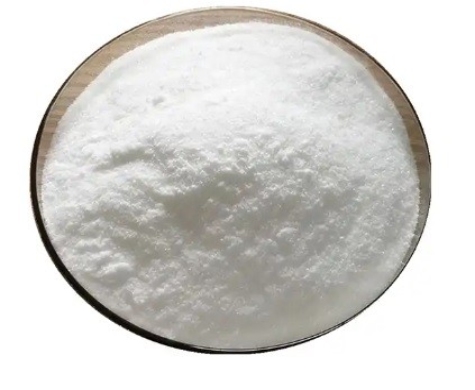

Appearence : | White Crystal Powder | |
CAS No : | 12054-85-2 | |
Molecular Formula : | (NH₄)₆Mo₇O₂₄.4H₂O | |
Chemical Name : | Ammoium heptamolybdate tetrahydrate | |
Purity : | % 98-99 | |
Density : | 2.498 g/cm³ | |
Molybdenum (Mo) Content : | % 53,5 – 55 | |
MoO₃ Content : | % 80-82,5 | |
Nitrogen (N) Content : | % 6-7 | |
Melting Point : | 90 °C | |
Boiling Point : | 190 °C | |
Water Solubility : | 40 g/100 ml (20 °C) | |
Storage Condition : | It should be stored in a cool, moisture-free and well-ventilated place, in closed packaging away from alkali and oxidizing materials. | |
Solubility : | Soluble in water. | Insoluble in ethanol. |
Ammonium Molybdate: Forms, Properties, Uses, and Market Dynamics
Forms of Ammonium Molybdate
Ammonium molybdate exists in three different forms:
Ammonium Dimolybdate ((NH₄)₂Mo₂O₇)
Ammonium Tetramolybdate ((NH₄)₂Mo₄O₁₃·2H₂O)
Ammonium Heptamolybdate ((NH₄)₆Mo₇O₂₄·4H₂O)
Ammonium heptamolybdate tetrahydrate is identical to ammonium heptamolybdate, as it contains four water molecules (4H₂O). Our company supplies ammonium molybdate in the most suitable form for your specific applications.
Chemical Information
Molecular Weight: 196 g/mol
Chemical Name: Ammonium Molybdate Tetrahydrate
CAS Number: 12054-85-2
Chemical Formula and Structure
Ammonium molybdate is represented by the chemical formula (NH₄)₂MoO₄, consisting of ammonium ions (NH₄⁺) and molybdate ions (MoO₄²⁻). The compound is formed through the combination of these ions, where the positively charged ammonium ion consists of nitrogen and hydrogen atoms, and the negatively charged molybdate ion consists of molybdenum and oxygen atoms.
Applications of Ammonium Molybdate
Agriculture: Used as a micronutrient in fertilizers to provide essential molybdenum for plant growth. It plays a vital role in nitrogen fixation, photosynthesis, and seed formation, particularly benefiting crops such as legumes, wheat, maize, and potatoes.
Metallurgy: Applied in steel manufacturing to enhance hardness and strength and acts as a catalyst in aluminum production for improved purity.
Chemical Industry: Utilized as a catalyst in organic synthesis, particularly in molecular hydrogen transfer reactions.
Ceramics and Paints: Used in pigment production for yellow and red color formulations.
Photography: Employed in the preparation of photographic chemicals.
Petrochemical Industry: Functions as a catalyst in various refining and chemical processes.
Preparation of Ammonium Molybdate Solution
Ammonium molybdate solutions are widely used in analytical chemistry and industrial applications. The preparation process includes:
Measuring the required amount of ammonium molybdate salt.
Dissolving the salt in distilled water in an appropriate container.
Stirring thoroughly until a homogeneous solution is obtained.
Storing the solution under suitable conditions for later use.
Factors Influencing Ammonium Molybdate Prices
The price of ammonium molybdate fluctuates based on several factors:
Molybdenum Market Trends: Availability and global demand for molybdenum influence pricing.
Agricultural Demand: Since it is widely used in fertilizers, fluctuations in agricultural production impact its cost.
Production and Supply Chain Costs: Factors such as raw material availability, manufacturing processes, and distribution expenses affect pricing.
Economic Conditions: Exchange rates, energy costs, and market trends play a role in determining price variations.
Production of Ammonium Molybdate
The production process involves several key stages:
Extraction of Molybdenite: Molybdenite (MoS₂), the primary molybdenum ore, is extracted.
Oxidation: The extracted molybdenite is oxidized to convert it into molybdenum oxides.
Reaction with Ammonium Ions: Oxidized molybdenum reacts with ammonium ions (NH₄⁺), forming ammonium molybdate.
Crystallization: The solution undergoes controlled cooling, allowing crystals to form.
Drying and Purification: The crystallized ammonium molybdate is purified and dried for commercial use.
Physical and Chemical Properties
Appearance: White crystalline powder
Odor: Odorless
Solubility: Highly soluble in water
Melting Point: 190–210°C
Density: Approximately 2.498 g/cm³
pH: Slightly acidic (pH 4.5–5.5) in aqueous solution
Crystal Structure: Orthorhombic
Market Names and Synonyms
Ammonium molybdate is also known under various names, including:
Molybdic Acid Diammonium Salt
Diammonium Molybdate
Ammonium Orthomolybdate
Molybdate Diammonium
Diammonium Tetraoxomolybdate
CAS No. 12054-85-2
Sodium Molybdate
Sodium molybdate (Na₂MoO₄) is another molybdenum compound widely used in the metal plating industry, chemical laboratories, and industrial applications.
Ammonium Heptamolybdate
Ammonium heptamolybdate ((NH₄)₆Mo₇O₂₄·4H₂O) serves as a catalyst in various chemical and industrial processes.
Ammonium Molybdate Sales: High-Quality Products and Services
Wide Product Range: We offer ammonium molybdate in various formulations, including crystalline, powder, and aqueous solutions, catering to different industry needs.
Quality Assurance: Our products adhere to the highest quality standards, undergoing rigorous quality control processes. Certifications and quality documentation are available upon request.
Competitive Pricing: We maintain competitive pricing by analyzing market trends and ensuring cost efficiency while delivering premium products.
Contact Us
For more details on ammonium molybdate, its applications, and purchasing options, please reach out to our company. Our team is available to provide technical support and tailored solutions for your industry requirements.


